When people think about foundation repair, they usually picture concrete, piers, and heavy equipment, not data, networks, and cybersecurity.
But modern concrete foundation repair is becoming increasingly tech-driven, especially when contractors use ground-penetrating radar (GPR) and other digital inspection tools to understand what is happening below the slab.
That is where an IT resource partner can make a measurable difference, by helping field teams capture cleaner data, move it securely, and turn it into faster, more confident repair decisions.
If you are evaluating structural options in Shawnee County, Foundation Repair Topeka KS is an example of a local concrete foundation repair company that benefits from this data-first approach, because better information at the start typically leads to better outcomes at the finish.
1) Why Subsurface Visibility Matters In Foundation Work
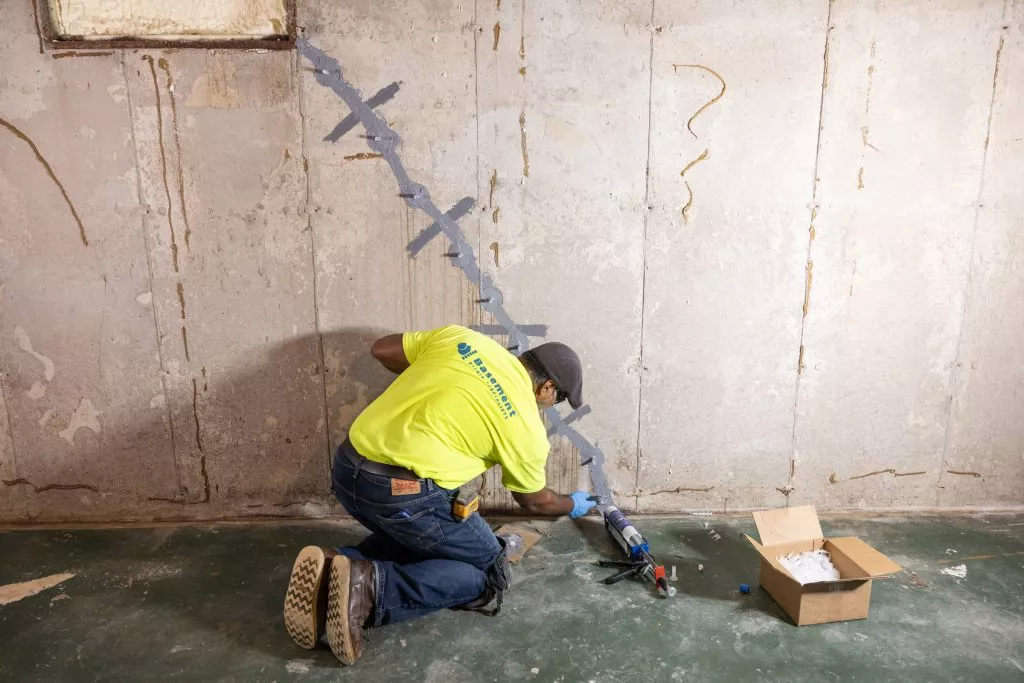
A foundation rarely fails out of nowhere. More often, symptoms like cracks, sticking doors, uneven floors, and moisture intrusion are downstream effects of what is happening beneath or around the structure. Common causes include voids, poorly compacted fill, plumbing leaks, expansive soils, drainage issues, or previous repairs that did not address the root cause.
Traditional inspection methods can identify surface clues, but they do not always reveal what is driving movement under the concrete. GPR helps close that gap by mapping subsurface conditions without destructive demolition. For homeowners, that can mean fewer surprises and a clearer explanation of why a repair is recommended. For repair crews, it can mean better planning, safer cutting and drilling, and fewer costly guess-and-check steps.
2) GPR In Plain English: What It Does And What It Finds
Ground-penetrating radar works by sending electromagnetic pulses into the ground or concrete and reading how those pulses reflect back from different materials. In foundation contexts, that can help identify:
-
Voids beneath slabs, often linked to washout, poor compaction, or erosion
-
Buried utilities, rebar, post-tension cables, and embedded objects, critical before cutting
-
Changes in soil density or moisture that correlate with settlement risks
-
Areas where previous patches or fill differ from surrounding material
The real value is not just the scan, it is the interpretation and documentation. GPR data becomes far more useful when it is stored, labeled, and shared properly across the project team, from inspectors to estimators to field leads.
3) The IT Side Of GPR: Turning A Scan Into A Reliable Workflow
GPR is only as effective as the workflow behind it. Field scanning produces large files, and teams need a consistent process to avoid losing context, like where a scan was taken, when, and under what site conditions. This is where an IT resource provider can help contractors standardize:
-
Device management so tablets and laptops used in the field are updated, encrypted, and reliable
-
Connectivity planning so data uploads do not fail on job sites with weak coverage
-
File structure and versioning so crews are not using outdated scans or mislabeled maps
-
Cloud storage with access controls so the right people can view the right data without risk
-
Backup and recovery because losing scan data mid-project can cost real money
In practice, the goal is simple. Scanning should reduce uncertainty, not introduce confusion through scattered files and missing notes.
4) From Data To Decisions: How Tech Supports Better Repair Plans
The bridge between a scan and a correct repair is decision-making. When subsurface data is captured cleanly and shared quickly, contractors can:
-
Validate whether settlement is tied to voiding, drainage, or soil change
-
Plan targeted stabilization instead of over-scoping work just in case
-
Reduce invasive exploratory cuts, saving time, mess, and expense
-
Document pre-repair conditions clearly, useful for homeowner trust and project records
It also supports better communication. Homeowners want clarity about what is wrong, what will fix it, and why that solution fits their home. Visuals, annotated maps, and before-and-after documentation can make a complicated structural conversation much easier to understand.
5) Kansas Risk Context: Water, Soils, And Authoritative Sources
In and around Topeka, water management is often part of the foundation story, whether it is surface drainage, seasonal precipitation, or flood risk. That is why contractors and homeowners benefit from checking reputable public resources when assessing site conditions.
Two helpful starting points are:
-
FEMA Flood Map Service Center (official flood hazard maps): https://msc.fema.gov/portal/home
-
USGS Earthquake Hazards Program (regional seismic context and education): https://earthquake.usgs.gov/
These are not repair manuals, but they provide authoritative baselines for understanding environmental factors that can influence foundations, especially when paired with on-site inspection and subsurface scanning.
6) Security And Long-Term Monitoring: The Often Missed Piece
As foundation projects adopt scanning and digital reporting, they also inherit modern risks like lost devices, unsecured Wi-Fi, shared logins, and client data stored in the wrong place. Even if a contractor is not handling payment data, job files often include addresses, photos, floorplans, and insurance-related documentation.
An IT resource partner can help set sensible guardrails:
-
Encrypted storage on field devices
-
Multi-factor authentication for cloud tools
-
Role-based access so teams only see what they need
-
Secure sharing links instead of emailing attachments
-
Routine patching and endpoint protection
There is also an opportunity for long-term monitoring. For certain properties, periodic documentation like photos, measurements, drainage observations, and follow-up scans when appropriate can help catch small shifts early, before they become expensive structural problems.
Bottom line: foundation repair is still hands-on construction work, but the best outcomes increasingly come from pairing skilled crews with better data. When IT resources support contractors in deploying, managing, and securing tools like GPR, everyone wins with clearer diagnoses, smarter repair plans, and stronger homeowner confidence.